The historical evolution of casinos from ancient games to modern gambling hubs
Origins of Gambling in Ancient Civilizations
The concept of gambling dates back thousands of years, with evidence found in ancient civilizations such as Mesopotamia, Egypt, and China. These societies developed various forms of games of chance, often involving dice or rudimentary betting systems. In these early cultures, gambling was not merely a form of entertainment but also tied to religious practices and social rituals, showcasing the deep-rooted connection between games and community engagement. Today, you can explore a vast array of options at gluck33-au.com to understand how far gambling has come.

Archaeological discoveries, such as gaming pieces and dice, indicate that people have long sought excitement through chance. In ancient Rome, for instance, gambling was prevalent among soldiers and citizens alike, demonstrating its popularity across different social strata. These early forms of gambling laid the groundwork for the more organized structures we see in modern casinos today.
The Development of Gambling Houses in the Middle Ages
As society evolved, so did the concept of gambling establishments. By the Middle Ages, various forms of gaming houses began to emerge in Europe, particularly in Italy. The first official casinos appeared in the 17th century, offering a controlled environment for betting and gaming. These establishments catered to the nobility and affluent classes, creating a culture of elegance and social status intertwined with gambling.
During this period, games like roulette and baccarat were developed, further enhancing the allure of gambling venues. The growth of these establishments coincided with the rise of more structured legal frameworks surrounding gambling, helping to establish regulations that would protect both players and the institutions themselves.
Casinos in the Age of Enlightenment
The 18th century marked a significant shift in the evolution of casinos. The Age of Enlightenment brought about a new wave of thinking, leading to a more philosophical approach to gambling. With the establishment of the famous Casino di Venezia in Italy, the gambling industry began to flourish, attracting individuals from various walks of life.
During this time, casinos started to adopt a more formalized structure, including rules and regulations to govern gameplay and betting. This shift not only helped legitimize gambling as a pastime but also laid the groundwork for the extensive regulatory systems in place today. The growth of casinos during this period underscored their status as key social hubs, where individuals came together to engage in games of chance.
The Rise of Modern Gambling Hubs in the 20th Century
The 20th century witnessed a transformation in the casino industry, particularly in the United States, with the emergence of Las Vegas as a gambling capital. The legalization of gambling in Nevada in 1931 paved the way for large-scale casino resorts, attracting tourists and creating a vibrant gaming culture. The iconic Las Vegas Strip became synonymous with glitz, glamour, and an endless array of gaming options.
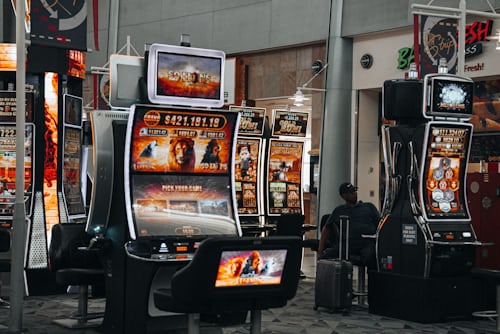
During this time, innovations such as slot machines and electronic gaming began to reshape the landscape of casinos. The introduction of these games made gambling more accessible to a broader audience, leading to an unprecedented boom in the industry. The expansion of casinos also prompted discussions about responsible gambling and the implementation of policies to protect players.
Online Gaming and the Future of Casinos
The advent of the internet in the late 20th century revolutionized the casino industry once again, giving rise to online gaming platforms. This new era allowed players to enjoy their favorite games from the comfort of their homes, creating a global market for gambling. As technology continues to evolve, online casinos have integrated live dealer experiences and mobile gaming, ensuring convenience and accessibility for all players.
As the gaming landscape shifts, regulations surrounding online gambling have also developed, striving to ensure fair play and security for users. Websites like Gluck33 Casino exemplify the modern gaming experience, offering an extensive collection of games and a commitment to player safety. As the industry evolves, the intersection of technology and gambling will undoubtedly shape the future of casinos worldwide.